2026-09-22 · Nate Foster
Getting Your Henderson Home's Plumbing Ready for Summer Heat
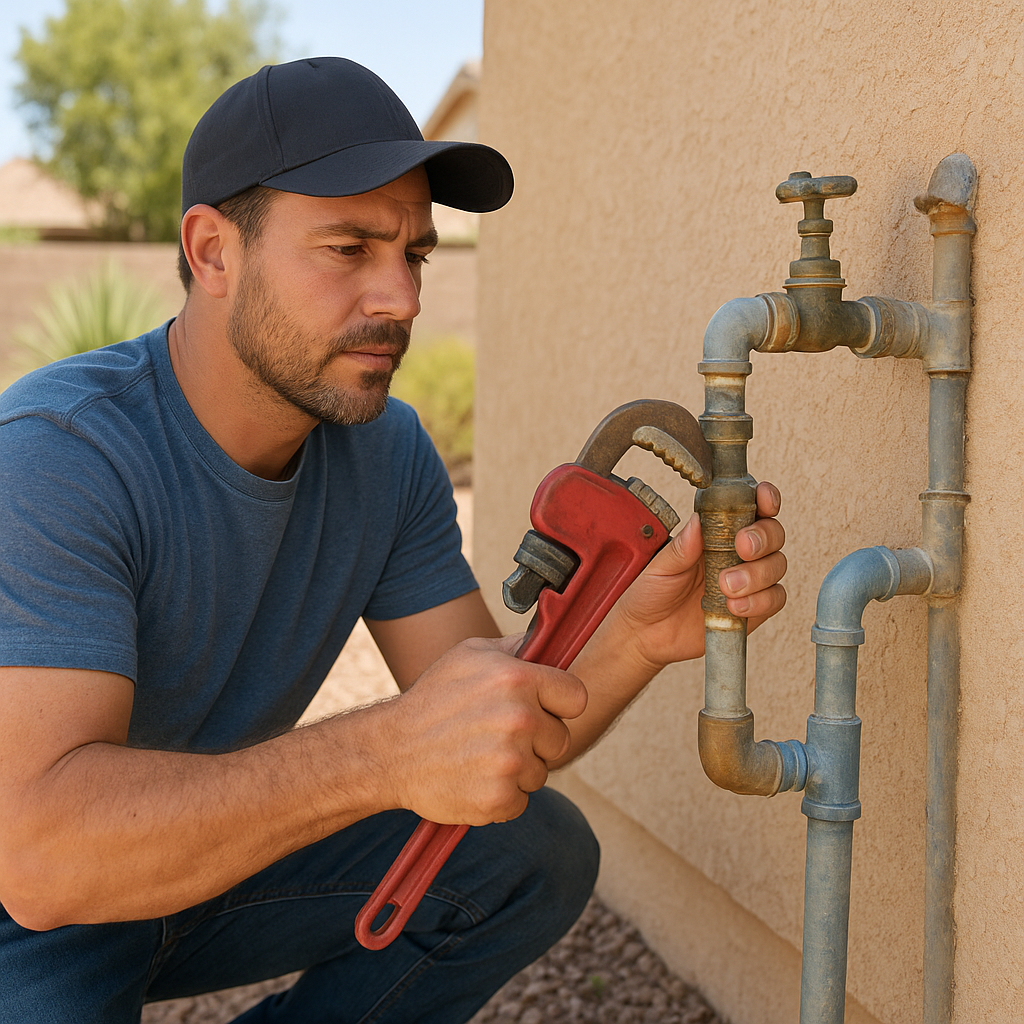
Henderson homeowners facing rising summer temperatures can ready their plumbing by first evaluating whether original polybutylene or galvanized lines from the 1980s-90s are still in place, then scheduling targeted inspections or a full repipe if deterioration shows.
How Summer Heat Increases Plumbing Demand
Henderson summers drive longer showers, more frequent pool fills, and heavier irrigation use, all of which raise water pressure and temperature fluctuations inside pipes. Homes built during the Green Valley era often contain polybutylene lines that soften or develop micro-cracks under these repeated cycles. Galvanized steel in the same neighborhoods corrodes faster when warm water accelerates rust scale buildup. These conditions rarely cause sudden bursts but instead produce slow leaks that remain hidden until moisture reaches drywall or slab surfaces. Checking flow rates at multiple fixtures during the hottest weeks reveals early restrictions caused by narrowed pipe interiors. Documenting any drop in pressure or discolored water gives a clear baseline before peak demand months arrive.
Spotting Vulnerable Pipes in Green Valley and Nearby Areas
Green Valley, Green Valley Ranch, and MacDonald Ranch contain many homes whose original plumbing has now reached or exceeded typical service life for polybutylene and galvanized materials. Homeowners who have monitored slow drips or heard banging in walls already suspect the issue and want comparable quotes from local crews rather than out-of-town outfits. A visual check under sinks or at the water heater often shows blue or gray polybutylene connectors that feel brittle to the touch. Galvanized sections near the main shutoff frequently display external rust or reduced water volume at the farthest fixtures. When these signs appear together, the next step is usually a camera inspection that confirms whether the entire system needs replacement or only isolated sections require attention.
Steps to Protect Your System Before Peak Heat
Begin by locating and testing the main shutoff valve so any future leak can be isolated quickly. Next, note the age of visible pipe materials and compare them against the construction era of your specific neighborhood. Increase monitoring of water bills for unexplained spikes that signal hidden moisture. If readings suggest a problem, review the differences between PEX and copper options through a dedicated comparison guide before requesting estimates. Schedule inspections during shoulder months when crews have more availability and material lead times remain short. Keep records of every quote that itemizes access points, drywall repair, and potential mold checks so hidden costs stay visible from the start.
When a Whole-House Repipe Becomes the Practical Choice
Once inspections confirm widespread material fatigue, a whole-house repipe restores reliable flow and removes the risk of undetected leaks that worsen under summer loads. The process typically routes new lines through attic or exterior walls to limit slab demolition in slab-on-grade homes common throughout Anthem and Seven Hills. Homeowners weighing this option often read detailed cost breakdowns and financing details to understand how home size, access method, and chosen material affect the final range. Linking the decision to long-term water efficiency rather than emergency repair helps comparison shoppers move forward with confidence. After completion, the updated system handles increased summer demand without the expansion stress that older lines cannot accommodate.